The Fox Recorded For Fox Sake Overnight. Then Black Sabbath Changed Everything
The Fox thought their twelve-hour Radio Luxembourg session was an audition. It became their only album—now expanded with four unheard recordings and restored US artwork.
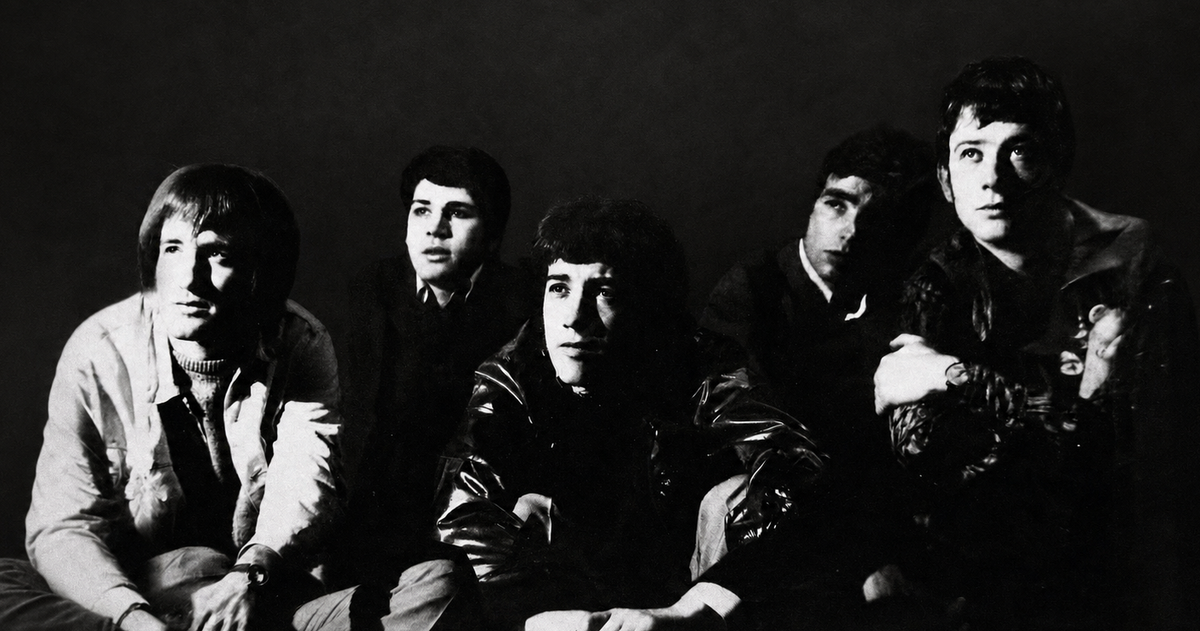
The Fox entered Radio Luxembourg Studios in Mayfair believing they were making a test recording. Twelve hours later, fuelled by kebabs, nicotine and coffee, they had put down eleven songs. The band expected the tapes to earn them a proper album session. Their managers had another idea.
“It’s got great energy, lads,” they were told. The test was the album.
Released in 1970 and swiftly deleted, For Fox Sake became the only long-player by a Brighton group who could move from Hammond-driven pop-soul to gossamer acoustic psychedelia and a nine-minute fairground nightmare without sounding like three different bands. On August 14, Think Like A Key Music gives that strange, compressed story its most revealing edition yet: the original album, newly mastered by Prof. Stoned, plus four bonus tracks; two previously unheard.
It is the sound of a band becoming itself—and then disappearing just as quickly.
Video for "Lovely Day"
Five old friends above a Portslade pub
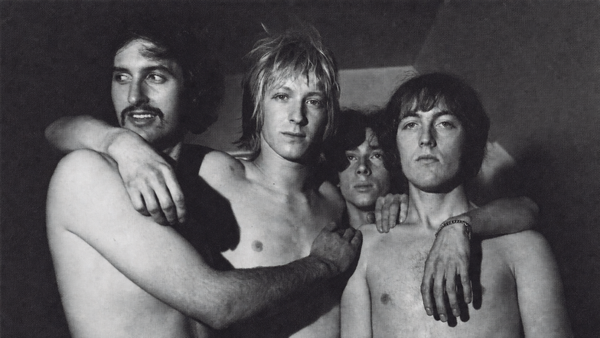
The Fox formed in Brighton in 1968 from the remnants of two mod-soul outfits, The Alex Lane Group and The Urchins. Hammond organist Alex Lane, drummer Tim Reeves and percussionist-vocalist Nick Apostiledes had known one another since school. Bassist Dave Windross completed the early rhythm section.
The catalyst was guitarist and songwriter Stephen Brayne, recently returned from Bristol, where he had ostensibly studied drama and French while, by his own account, “majoring in psychedelia.” He brought songs including “Mr. Blank,” “Butterfly,” “Glad I Could,” “Man in a Fast Car” and the sprawling “Madame Magical.” “Butterfly” and “Madame Magical” were both inspired by Brayne’s then-girlfriend, singer-songwriter Sally Oldfield.
When Apostiledes stepped away from the microphone, Brayne and Lane divided the vocals and local guitar hero Winston Weatherill joined. Weatherill had played with Gary Farr & The T-Bones, a band whose evolving ranks had included future Nice members Keith Emerson and Lee Jackson. His melodic lead lines completed The Fox’s final sound.
Rehearsing above a pub down a dark Portslade street, the five musicians drew from an improbably broad record shelf: Motown, Jimmy Smith and Wes Montgomery; The Beatles and Small Faces; Bert Jansch, Pink Floyd, Hendrix, Procol Harum and King Crimson. Onstage, Brayne remembers, they were “loud and righteous.”
The night a test became an album
Managers Patrick Meehan and Adrian Millar arrived in sharp suits and a Rolls-Royce, promising American dates, new equipment and a photo session with Beatles photographer Dezo Hoffman. First came the Radio Luxembourg test, engineered by Richard Millard in a single overnight booking.
Months of rehearsal meant The Fox could play the arrangements almost live, adding only the necessary vocals. The energy was real, but the band heard the session as a beginning, not a finished record. They objected when Meehan and Millar announced otherwise. A compromise allowed “Lovely Day” and “Mr. Blank” to be remade at a Kingsland Road studio with a young Roy Thomas Baker.
Baker also sourced the fairground tape that opens “Madame Magical.” Years later, he reused the same recording at the start of Queen’s “Brighton Rock”—an extraordinary audio thread connecting a neglected psych LP to one of the decade’s biggest bands.
The album’s rush is now part of its character. “Butterfly” floats on acoustic guitars and Weatherill’s sitar-like flourishes. Lane’s Hammond gives the shorter songs the snap of late-sixties pop-soul. “Madame Magical” pushes through carnival music, drone, phased organ, layered percussion and heavy guitar until it sounds, as the label’s new notes put it, like a fairground collapsing in slow motion.
The cupboard with David Bowie—and the call that never came
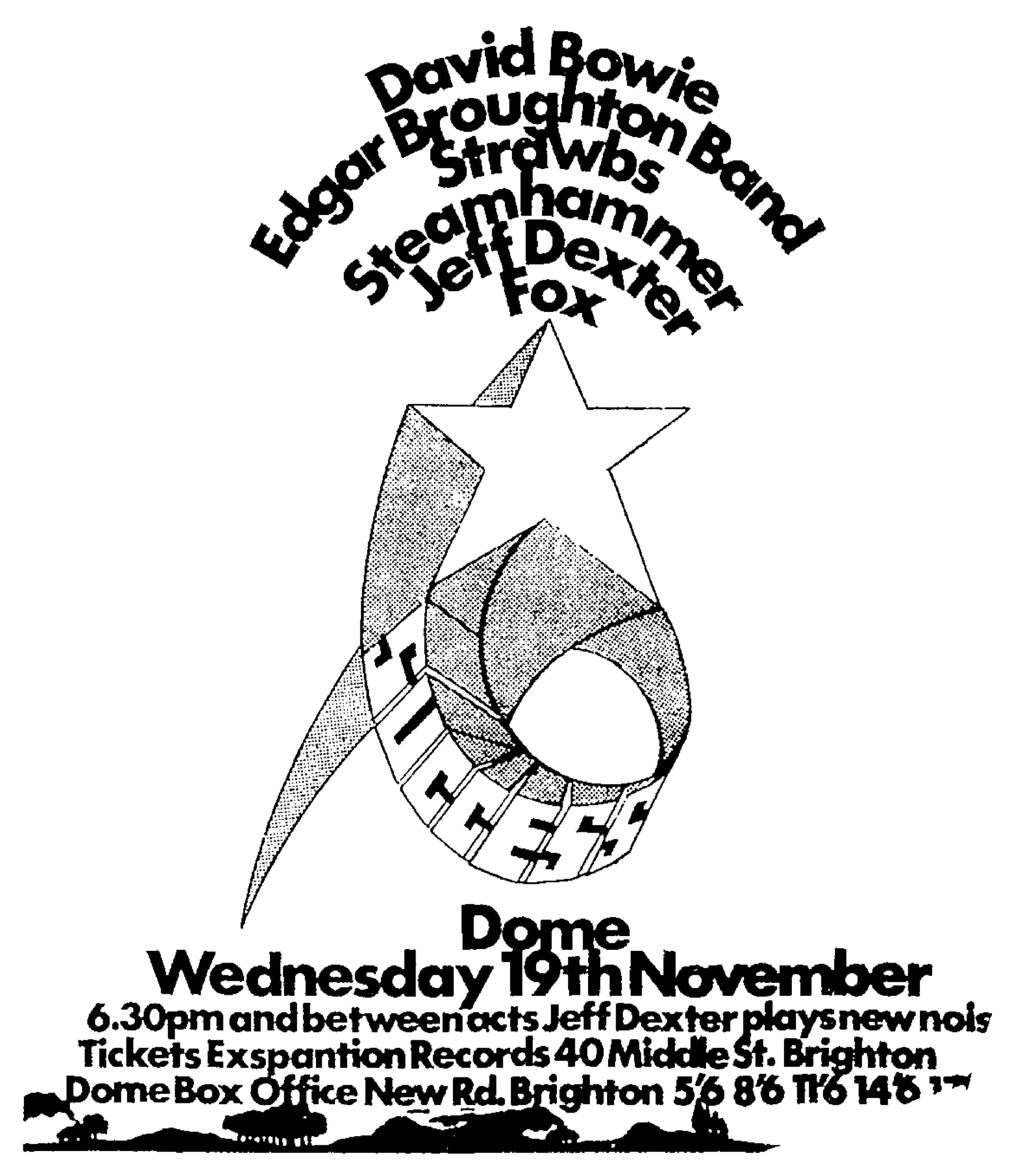
The Fox once opened a Brighton Dome bill with David Bowie, The Edgar Broughton Band and The Strawbs. When another act’s overloaded set was abruptly unplugged, a backstage fight broke out. The Fox took refuge in a cupboard—and found Bowie sheltering there too. “We were lovers, not fighters,” Brayne says.
For a moment, bigger things appeared close. The album reached the US through Bob Crewe’s Crewe label before Fontana issued it in Britain. Anne Nightingale named The Fox a band to watch. A Radio One session followed. An American tour and a second album were discussed.
Then Meehan and Millar’s attention shifted to another act under their management: Black Sabbath. Paranoid landed, hard rock became the new commercial language, and The Fox’s phone stopped ringing. Promised equipment never arrived. Their van had to be returned after a cheque bounced. When the band’s amplifiers were stolen, there was no rescue. Weatherill and Windross left, and the remaining friends decided that replacing them would miss the point.
The Fox were finished by the end of 1970.
Four recordings reopen the story
The expanded For Fox Sake adds four tracks that turn the reissue into more than a remaster. Two Regent Sound acetates—“Mr. Blank” and “Second Hand Love”—capture the original lineup with Apostiledes still singing. The other two bonuses are the raw Radio Luxembourg versions of “Lovely Day” and “Mr. Blank” recorded during the overnight session before Baker supervised their remakes.
That gives listeners three distinct versions of “Mr. Blank”: Denmark Street demo, overnight test and finished album master. In a catalogue full of lost tapes, it is rare to hear a band’s development compressed so clearly into a few months.
The limited CD edition restores the original US Crewe artwork to a reissue for the first time and includes a 12-page booklet with rare photographs and new testimony from Brayne. Prof. Stoned’s mastering keeps the record’s urgency intact while letting its organ, guitars and harmonies breathe.
The Fox thought they were recording an audition. Fifty-six years later, the fact that nobody gave them time to second-guess it may be exactly why the music still feels alive.
For Fox Sake is released August 14, 2026, on expanded CD and digital. Order the album through Think Like A Key Music.