Bates Motel Asked Sparks for a Producer. Ron and Russell Wanted a Band.
Les Bohem hoped Sparks might produce Bates Motel. Ron and Russell Mael wanted the musicians instead. The surviving live tapes explain the connection.

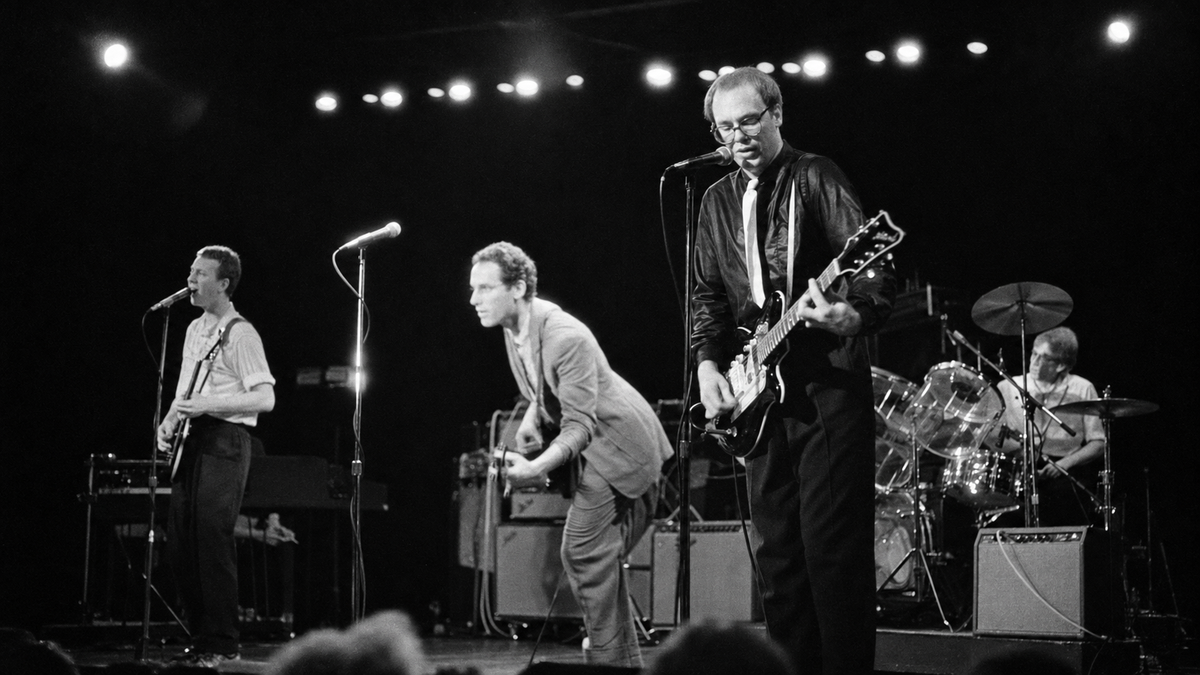
Before Les Bohem, Bob Haag and David Kendrick joined Sparks, they had already spent years making Bates Motel work onstage. A new conversation revisits the Los Angeles band preserved on Live in LA 1980.
Les Bohem hoped Ron and Russell Mael might produce Bates Motel. He invited them to a show. The brothers heard a different possibility: the musicians they wanted to play with were already standing in front of them.
It is an unexpected route into the history of Sparks, and a useful way to hear Bates Motel's Live in LA 1980. The record captures a band with its own songs, vocal blend and habits, developed on the Los Angeles club circuit before three of its members joined the Maels.
In episode 53 of Sparks Entertainment and Art, Bohem, Haag and Kendrick revisit that period with host Monte Mallin, project coordinator and producer Chaim O’Brien Blumenthal, and Christian Huey of All You Ever Think About Is Sparks. Their memories explain why these cassette recordings are more than a footnote to somebody else's career.
A band already built for the stage
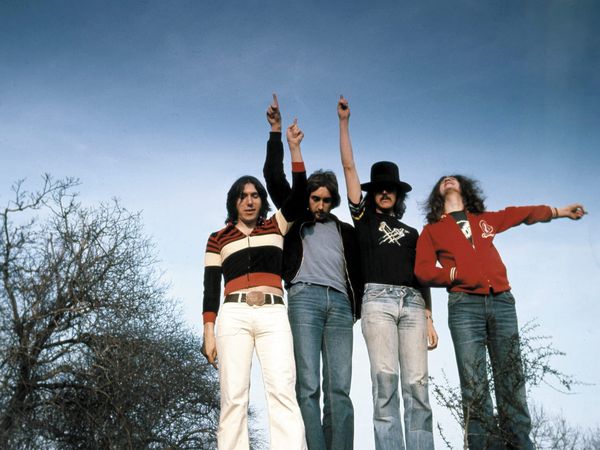
Bates Motel brought together Bohem on bass, Haag and Dave Draves on guitars, and Kendrick on drums. Three-part harmonies and wiry guitars gave their power pop a restless new-wave edge. A record deal never arrived, despite the attention the band attracted.
That earlier story, including the interest from Stephen Stills, Graham Nash and Andrew Gold, is explored in our previous Bates Motel feature. The Sparks connection opens a different chapter.
Bohem recalls getting to know the Maels through encounters at the farmers market before inviting them to hear the band. Kendrick remembers film enthusiasm and coffee helping establish a rapport beyond music. By the time the offer came, the musicians had already done the less visible work of learning to play together in front of audiences.
At 18:57 in the conversation, Bohem reflects on how close Bates Motel had come to its intended sound when Sparks found them. The jump took the musicians from LA rooms to a French tour and recording with the Maels. The history around Whomp That Sucker becomes easier to understand when you can hear the working band that preceded it.
The soundman had a cassette deck
The reason we can hear that band now is unusually practical. Kendrick asked house engineers to record the live board mixes at the Starwood and the Whisky. These were stereo cassettes, rather than multitrack recordings commissioned for a live album.
His account at 27:23 describes tapes kept for years before he digitized them. The resulting collection brings together fifteen previously unreleased performances from the two clubs.
Blumenthal explains how one Starwood set became the centre of the album, with Whisky performances adding songs that would otherwise be missing. The aim was a varied sequence, rather than repeated versions of the same material. Prof. Stoned worked on the audio; interviews with the musicians helped restore the surrounding story for the booklet.
There is another small surprise at 33:14: a recollection of playing a handful of Bates Motel songs in a Munich club while the musicians were abroad with Sparks. The old band had not entirely disappeared when the next one began.
Hear Bates Motel on their own terms
For Sparks listeners, Live in LA 1980 offers the sound of musicians whose shared history helped them step into an established band. For anyone coming to Bates Motel fresh, it offers something simpler: sharp songs, three voices and a group used to winning over a room.
Watch the complete conversation, then explore Bates Motel and the current US and UK editions of Live in LA 1980.