The Press Quote That Helped Sink The Tremeloes’ Master
After two huge self-written hits, The Tremeloes made the album that was supposed to secure their future. One spectacular promotional own goal helped leave it without an audience.

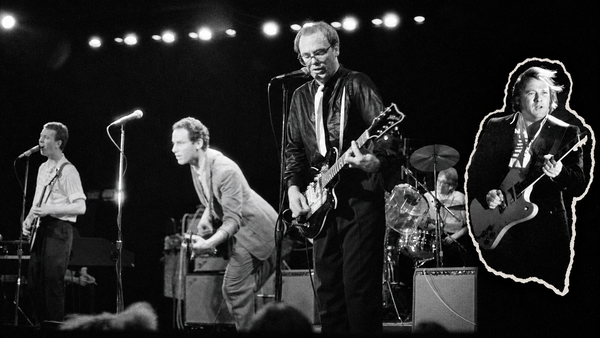
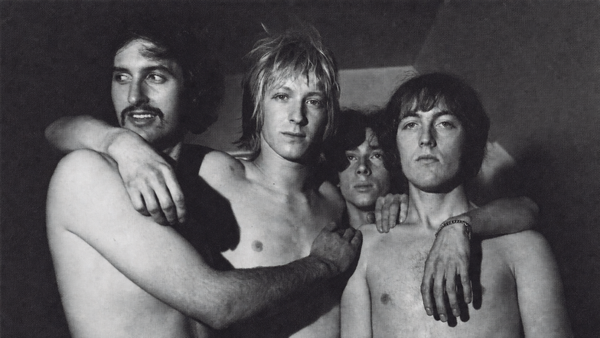
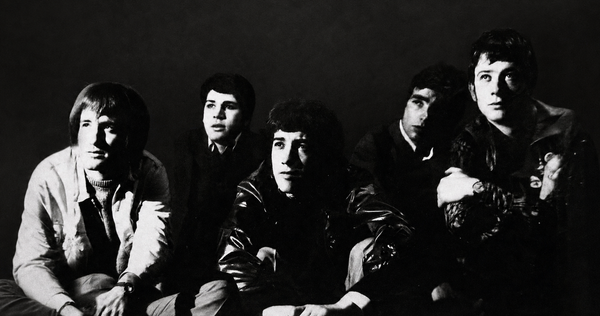
The Tremeloes spent the 1960s being followed by one of pop history’s most irresistible stories: in 1962, Decca signed Brian Poole and the Tremeloes instead of The Beatles.
It is a great anecdote and a lousy way to understand a band. The decision was perfectly defensible at the time—The Tremeloes had local momentum, useful Decca connections and the advantage of being based near London—and the years that followed brought a formidable run of hits. Yet the story turned every success into a prelude to somebody else’s triumph.
By 1970, the band wanted out of the punchline.
They made Master, a completely self-written album designed to prove that The Tremeloes were not merely cheerful interpreters of other people’s songs. The music was ambitious, contemporary and often startling. The campaign surrounding it was almost spectacularly self-destructive.
The reinvention was already working
The shift did not begin with an album nobody wanted. It began with a hit nobody could dismiss.
“(Call Me) Number One,” written by Alan Blakley and Len “Chip” Hawkes, reached No. 2 in Britain in November 1969 and remained on the chart for fourteen weeks. It was Beatles-aware without being imitative, harmonically rich, structurally confident and unmistakably the work of a band taking control of its material.
The success opened a door. In February 1970, The Tremeloes travelled to Rome to work on the soundtrack for May Morning, an Italian film starring Jane Birkin. Hawkes brought a Mellotron he had bought from Jeff Lynne, newly departed from The Idle Race for The Move; Rick Westwood added electric sitar. Back in Britain, the band carried those broader textures into its own sessions.
“By the Way” reached a modest No. 35 in the spring. Then “Me and My Life” arrived in August, balancing a heavy guitar figure with the melodic reflexes that had made the group famous. It peaked at No. 4 and spent eighteen weeks on the UK chart.
The Tremeloes were not asking the public to take an untested leap. Two of their new, self-written songs had just become enormous hits.
“Once in a man’s lifetime…”
CBS released Master in November 1970 with a campaign that sounded almost ceremonial:
“Once in a man’s lifetime he may stop, reconsider and re-weave the fabric of his past. For The Tremeloes, this album is that moment.”
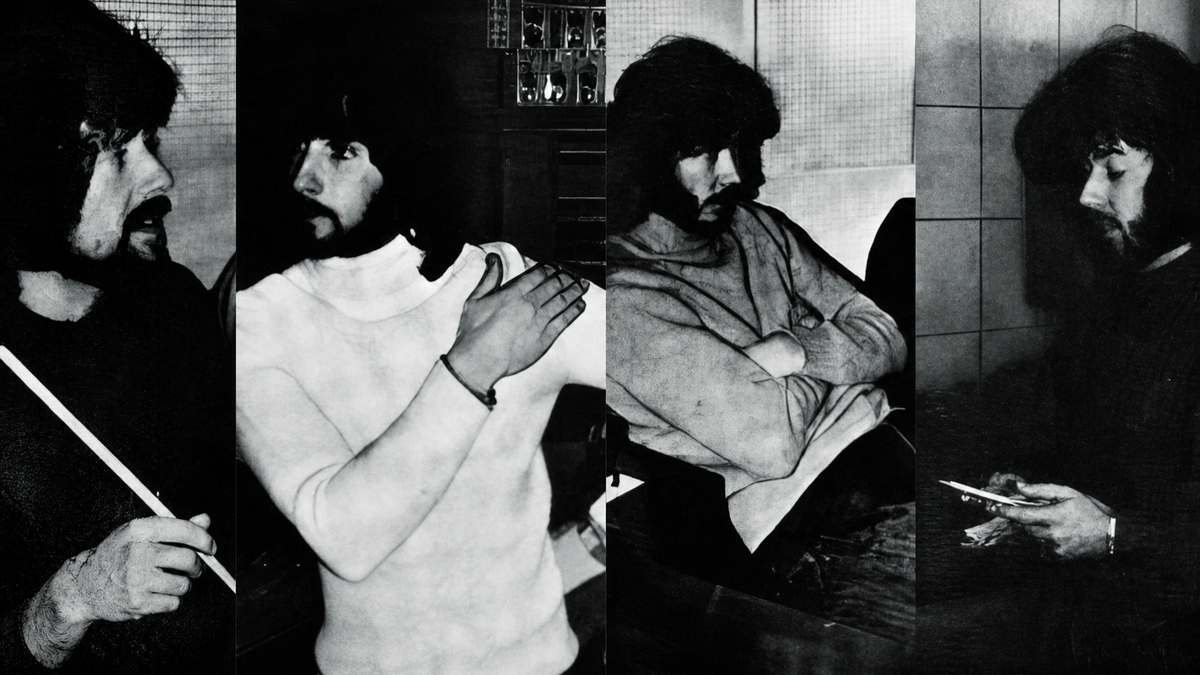
The record had been pieced together over roughly two years. Every one of its twelve songs was credited to Blakley and Hawkes. Blakley’s production embraced fuzz, wah-wah, Mellotron, stereo effects and layered guitars; only the horns on “Long Road” required outside players. The rest was the sound of a self-contained group expanding its vocabulary.
The opening “Wait for Me” begins with a hard-rock riff and Dave Munden singing with a force few listeners would associate with “Silence Is Golden.” “Try Me” locks tough arpeggiated guitars to a mid-tempo boogie, then stacks a lead part that anticipates the kind of harmonised-guitar architecture Brian May would soon make famous.
The gentler material is equally important. “Now’s the Time” places close harmonies over acoustic foundations. “Before I Sleep,” led by piano and sung by Hawkes, turns impending fatherhood into something intimate rather than sentimental. “By the Way” begins delicately, then keeps widening—strings, counter-vocal, layered guitars—until the old border between pop single and album track has disappeared.
“Boola Boola,” largely instrumental, moves from psychedelic guitar-and-drum collision into a warmer, almost cinematic drift. “I Swear” and “Willow Tree” take the group deepest into late-period psychedelic pop, but never lose the precision of four musicians who had spent a decade learning how to make a chorus land.
This was not The Tremeloes pretending to be a jam band. It was a pop group using discipline as a way into heavier music.
The quote that became the story
Excitement became overstatement. A promotional push announced that the band was “going heavy” while comments about the earlier hits were reported as an insult to the people who had bought them.
Exactly what was said remains disputed. Some accounts repeat the phrase “music for morons.” Peter Checksfield’s later liner notes insist that the actual insult was “silly suckers,” not “morons.” Band recollections differ in detail, but not in consequence: a message intended to declare artistic growth was received as The Tremeloes disowning their own catalogue and ridiculing their audience.
It was the perfect trap. Fans who loved the bright singles felt dismissed. The progressive audience the band hoped to reach had already decided that a group responsible for “Even the Bad Times Are Good” could not be serious. The music press enjoyed the contradiction more than the music.
Master was left without a constituency.
The irony is brutal. The album meant to end an old caricature produced a new one: The Tremeloes, desperate for credibility, insulting the people who had made them successful. The shorthand outlived the record.
What the scandal obscured
The commercial failure did not make Master less accomplished. It made it harder to hear on its own terms.
The band later complained that CBS released the album before they considered it finished, yet even in that state it documents a convincing transformation. It can sit beside Badfinger’s melodic rock, the heavier Hollies material and the harmony-rich California records of the period without sounding like a costume change.
The expanded Think Like A Key edition makes the surrounding run part of the argument. “(Call Me) Number One” and “Me and My Life” show that the new direction could reach a mass audience. “Instant Whip,” “Right Wheel, Left Hammer, Sham” and “Take It Easy” reveal the group’s appetite for hard, loose playing. The long version of “Anything” pushes into ragged, country-tinged rock, while the previously unissued Gilbert O’Sullivan composition “What Can I Do” adds another odd corner to the picture.
The Tremeloes did not fail because they lacked the musicianship to change. They failed because an artistic pivot became a loyalty test—and because, for a few disastrous headlines, the sales pitch became louder than the album.
Listen now and Master no longer needs to win an argument about respectability. It only needs to be the thing it was in 1970: a very good band making the most ambitious record of its life.
Watch Think Like A Key Music’s Master documentary, then explore The Tremeloes — Master (2024 Remaster), expanded to place the album beside the singles and outtakes that complete its story.