Before Thriller, Bruce Swedien Recorded McLuhan’s Anomaly
Before Thriller, Bruce Swedien recorded McLuhan’s Anomaly. The Chicago band’s own accounts trace its horror films, media ideas and four ambitious pieces.
Before Bruce Swedien recorded Michael Jackson’s Thriller, he helped capture a Chicago band whose stage show included horror films, slides and an argument about the effects of modern media. McLuhan’s Anomaly gave him four extended pieces to work with, built around trumpet, woodwinds, keyboards, guitar and a rhythm section.
The record was made at Brunswick in 1971 and released in 1972, according to the chronology in the Think Like A Key CD booklet. Swedien is credited as its producer. A decade later, his engineering on Thriller would earn a Grammy, documented in the Recording Academy’s credits. McLuhan’s story begins with the musicians themselves.
A show band opens the door
Paul Cohn played clarinet, saxophone and flute. Dave Wright played trumpet and brought compositions to a group that emerged from the Seven Seas show band. Their connection with bassist and singer Neal Rosner ran through both their Chicago neighbourhood and the University of Illinois at Chicago.
In his interview with The Strange Brew, Rosner names Frank Zappa, King Crimson and the Fugs as influences. Wright supplied a further organising idea through Marshall McLuhan’s writing about media and civilisation. Film, poetry and theatrical gestures could become parts of the performance alongside the instruments.
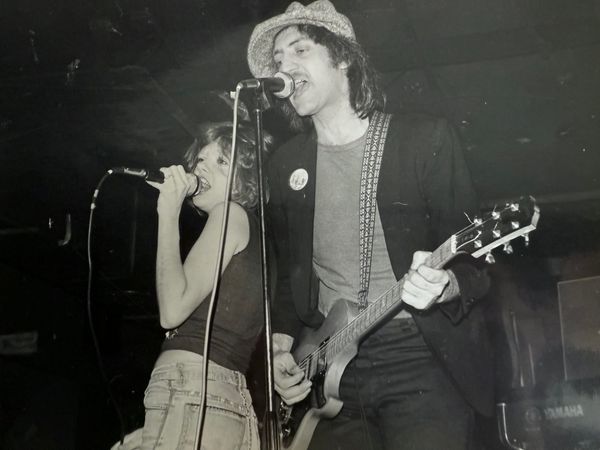
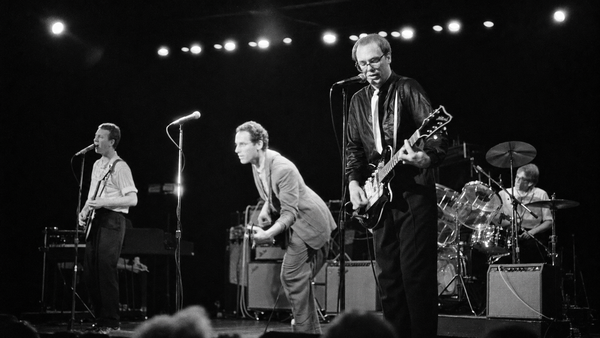
The band’s Monday residency at Wise Fools Pub gave that approach a regular audience. Their appearances attracted Brunswick’s Carl Davis and a recording contract. Rosner remembers a label accustomed to R&B looking for a crossover act. McLuhan arrived with four long compositions.
What they brought to Brunswick
By the time they entered the studio, the material had already passed through months of writing, rehearsal and performance. Speaking to Bill Kopp for The Tonearm, Cohn recalled several months developing Wright’s music and further months playing it. “We were only in the studio for three days and then done.”
That recollection puts the short session in perspective. An elaborate recording can begin long before the tape runs. In McLuhan’s case, the group had been working out how to move between composed passages, different musical styles and projected images in front of listeners.
Rosner remembers Swedien inviting the young musicians to his home in Highland Park. “He was patient with us and very creative,” he told The Strange Brew. The producer’s name connects Anomaly to a much larger recording history, but these recollections describe something immediate and practical: a sympathetic person behind the console while a young group committed its work to tape.
McLuhan’s ensemble included Cohn, Wright, Rosner, guitarist Dennis Stoney Phillips and keyboard player Tom “Tojza” Laney. The CD credits distinguish John Mahoney’s drumming on most of the record from Michael Linn’s playing on “Witches Theme and Dance.” Each piece had its own requirements.
Four pieces with different jobs
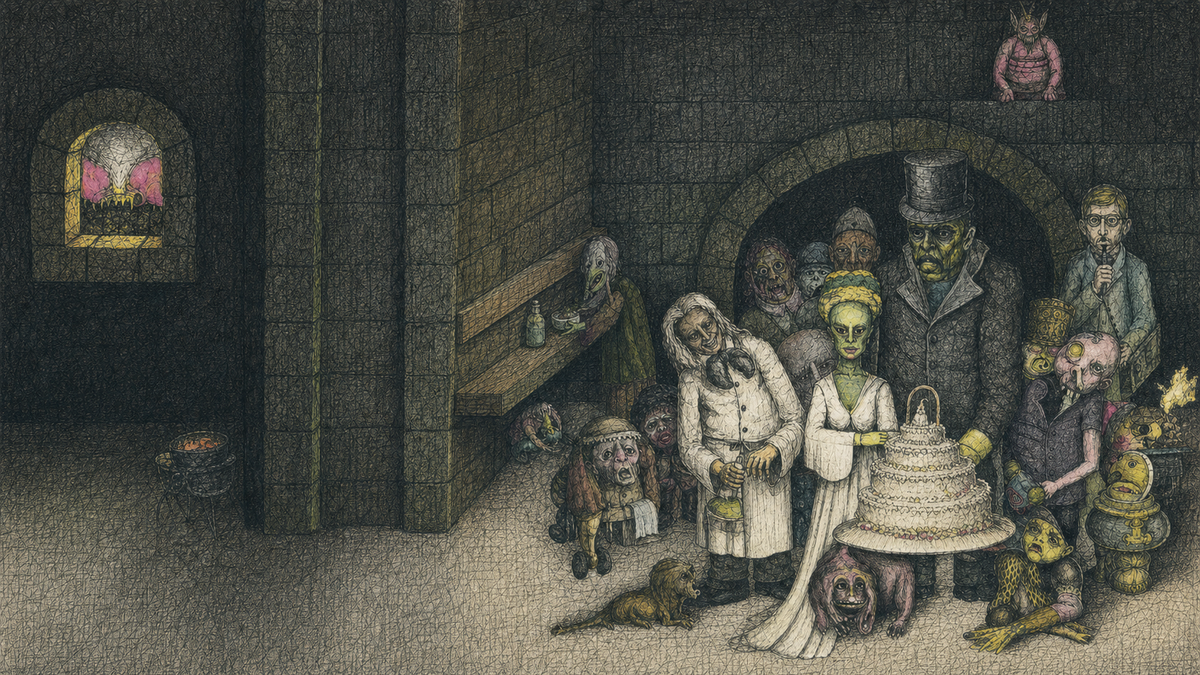
For “The Monster Bride,” Rosner describes synchronising the music with clips from Bride of Frankenstein. The band presented the composition as a meeting of projected film and live performance.
“Spiders (In Neal’s Basement)” belongs to an earlier member of the group, Marvin Krout. The other three pieces are credited to Wright. The booklet’s discussion of its Dixieland and klezmer ingredients offers another route into the band’s musical range. The clarinet, already part of Cohn’s life before McLuhan, had a place in the new group’s experiment.
“Witches Theme and Dance” has a satirical purpose. Cohn connects it to McCarthy-era witch hunts and recalls a spoken and sung ending that drew an enthusiastic response at Wise Fools. That account places the voices and the audience inside the composition’s history.
The closing “A Brief Message From Your Local Media” is divided into “The Garden,” “The Assembly Line,” “Electric Man” and “Question.” In the band’s account, those sections follow changes in human life brought about by successive technologies and forms of communication. The four-part structure gives their borrowed name a specific musical task.
The record reaches another audience
Brunswick released Anomaly in 1972. The band’s original run ended, and the album’s later circulation brought it to listeners who had missed that release. Rosner’s account on the band’s own website describes the renewed interest and reunion as a return to music after careers and family lives had taken the players elsewhere.
The 2025 Think Like A Key edition presents all four pieces in a Prof. Stoned remaster, with a twenty-page booklet containing Klemen Breznikar’s notes and band recollections. It lets the musicians’ accounts sit alongside the music and its original credits.
For another first-person route through the records and film music that musicians carry with them, read our Michael de Albuquerque interview. His remembered Morricone discovery offers another perspective on how a musical imagination develops beyond the band on the sleeve.
Explore McLuhan’s artist page and hear the four track previews on the Anomaly CD page. The record that Swedien helped make is still the place to hear what this particular group put together.