The British prog band who had to leave the country to become famous: Nektar and the 1973 concerts that prove it
Nektar were gold in Germany, headliners across Europe, and number 19 on the US Billboard chart. In Britain, nobody knew they existed.

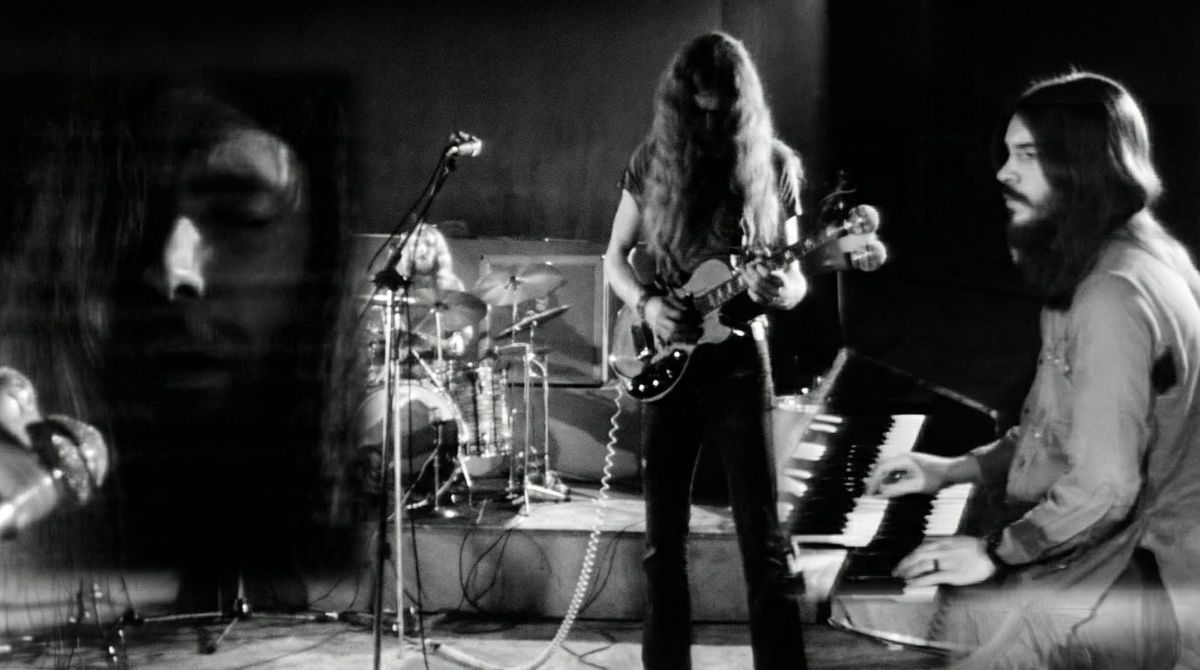
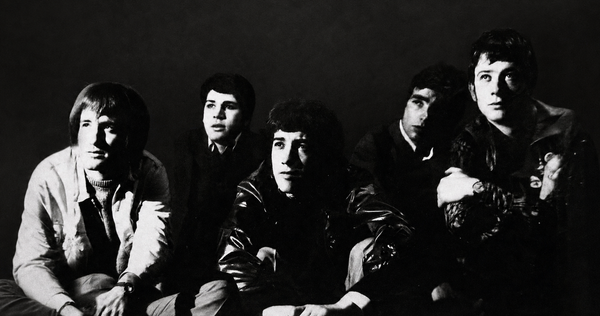
In May 1973, four Englishmen walked onto the stage at the Pavillon des Sports in Lausanne, Switzerland, and played a full hour-long concert for Swiss national television. The cameras rolled, the liquid light show bloomed across the backdrop, and the audience responded like they were watching one of the biggest bands in Europe. Which, on the continent at least, they were.
Back in Britain, nobody noticed.
The story of Nektar is one of the strangest geographic anomalies in rock history. A band of English musicians who formed in Hamburg, lived in a German village, became gold-selling headliners across continental Europe, and remained almost completely unknown in their home country. It’s not that Britain rejected them. Britain simply never knew they existed.
The Star Club and the house on the Bergstrasse
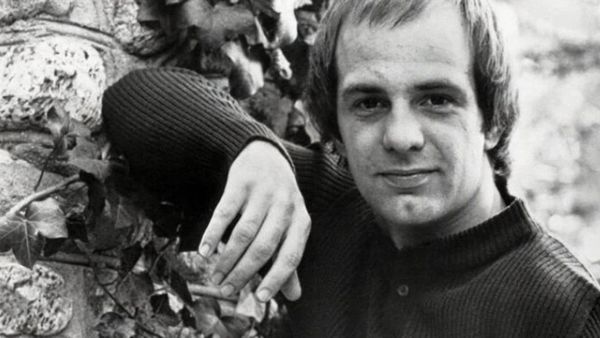
Nektar’s origin story begins at the Star Club in Hamburg, the same venue where The Beatles had served their apprenticeship a few years earlier. In 1969, guitarist and vocalist Roye Albrighton arrived with his band Rainbows to play a residency. The house band, Prophecy, featured keyboardist Allan “Taff” Freeman, bassist Derek “Mo” Moore, and drummer Ron Howden. The four musicians began jamming together between sets, and what emerged was something none of their existing projects could contain.
Rather than return to England, they stayed. They found a house in Seeheim, a village nestled in the hills of the Bergstrasse south of Frankfurt, and set about building a band from scratch. Albrighton later recalled the early days with characteristic understatement: “We didn’t have much furniture back then, just a coffee table, a couple of chairs, and a huge fish tank inherited from the previous occupant. We used to spend a lot of time during the day just talking about music.”
It was an unlikely commune, but it worked. The isolation from the British music industry, which might have killed another band’s career before it started, turned out to be their making. Germany in the early seventies was hungry for exactly the kind of expansive, exploratory rock that Nektar were building. The UK scene, as the band themselves put it, “was mainly based on pop music.” In Germany, “people wanted to listen to something new, something fresh.”
Release trailer
The fifth member and the light show
What set Nektar apart from the prog pack wasn’t just the music. It was Mick Brockett, a former Pink Floyd visual effects designer who joined the band in January 1970 and became their unofficial fifth member. Brockett adapted his liquid light projection technology into a one-man operation that transformed Nektar’s live shows into something closer to immersive theatre. By 1973, the “Nektar Music and Light Theater,” as it became known, was so impressive that it was often the most talked-about element of a gig. The Swiss TV broadcast from Lausanne captures Brockett’s work in full flight, and fifty years on, it remains remarkable.
1973: The year everything peaked
By the time the Swiss cameras were rolling, Nektar had already released three albums: Journey to the Centre of the Eye (1971), A Tab in the Ocean (1972), and ...Sounds Like This (1973). The second of those had impressed Frank Zappa enough that he handpicked Nektar to open his European tour, an endorsement that elevated them from cult act to continental headliners.
But it was Remember the Future, recorded in a single intense week at Chipping Norton Studio in Oxfordshire in August 1973, that changed everything. A concept album about a blind boy receiving enlightenment from an extraterrestrial being, it was notably more melodic than anything Nektar had attempted before. In Germany, it went gold. In the United States, where it was released on Passport Records, it climbed to number 19 on the Billboard 200, making Nektar briefly one of the biggest-selling prog acts in America. The follow-up, Down to Earth, would reach number 32.
In Britain? Silence. United Artists released it, and the country collectively shrugged.
Why not home?
The reasons are partly structural, partly cultural. Nektar were signed to Bellaphon, a German label, and distributed through Bacillus Records. Their live following was built on the continent, not the British touring circuit. By the time the UK market might have been receptive, the band were already so firmly identified with Germany that they were routinely assumed to be German. The geographic confusion became self-reinforcing: British press ignored them because they seemed foreign, and they seemed foreign because the British press ignored them.
When Nektar finally left Europe in 1976, they moved to America, not to England. The country that made them had never been their own.
Fifty years on
The 1973 Swiss TV concert, unseen since its original broadcast on the Kaléidospop programme, finally resurfaced through Think Like A Key Music’s ...Sounds Like Swiss release: a CD/DVD set featuring both the video broadcast and the soundboard audio from the Lausanne performance, with liner notes by Mo Moore and Mick Brockett. Watching it now is a strange experience. Here is a band at the peak of its powers, playing with the confidence of an act that knows it owns its audience, captured in broadcast quality on a stage that any British band of comparable stature would have envied. The only thing missing is Britain knowing about it.
Roye Albrighton passed away in 2016 at sixty-seven, but the band he built has outlived him. Nektar reunited in 2019 and have since played over a hundred shows, releasing Mission to Mars in 2024. The light show continues to evolve, incorporating new technology while respecting the liquid-projection aesthetic that Brockett pioneered fifty years ago. The audience has always been there. It just took the rest of the world a while to find it.