Patrick Campbell-Lyons (1943–2026): The Original Nirvana Has Lost Its Dreamer
The Irish-born co-founder of London’s original Nirvana, the man behind “Rainbow Chaser” and one of the first narrative concept albums ever made, has died at 82.
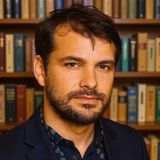
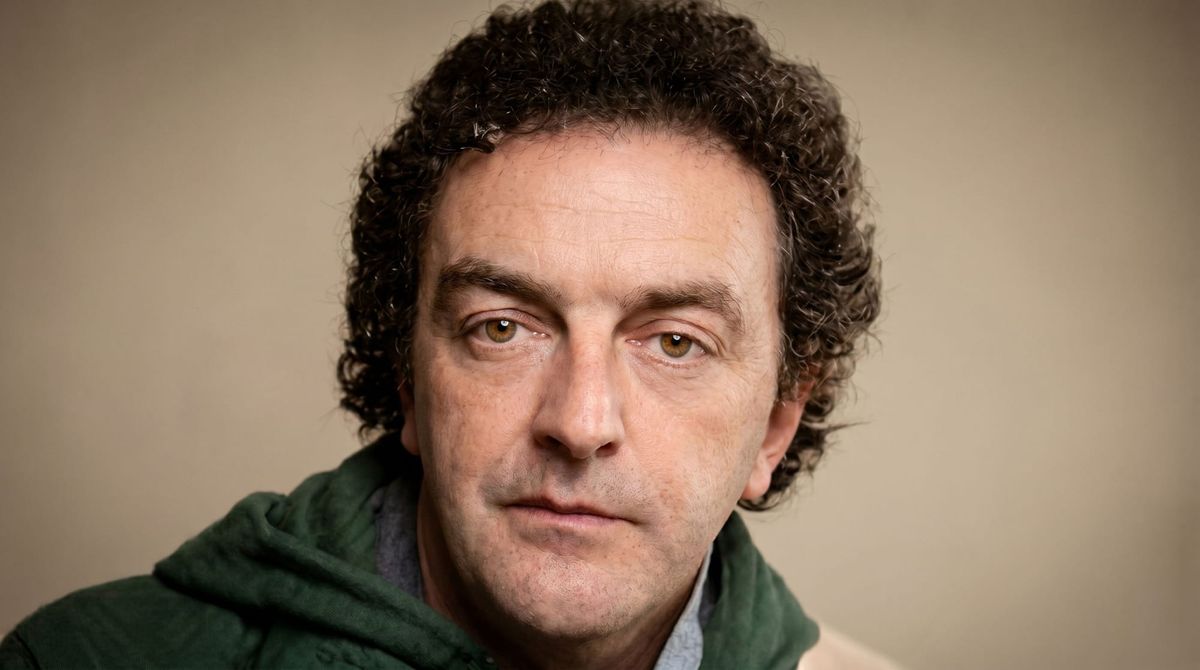
Patrick Campbell-Lyons, the Irish-born singer, songwriter and co-founder of the London psychedelic duo Nirvana, has died at the age of 82.
News of Campbell-Lyons’ passing broke on April 12, when his longtime guitarist and friend Keith Smart shared the sad update on social media. Patrick had been ill for several years, and died a couple of days earlier.
“Just heard some very sad news,” Smart wrote. “My dear friend of many years Patrick Campbell Lyons (who I have played guitar with in Nirvana since 1980) left us a couple of days ago. He was ill for the last few years. I have many many happy memories of playing with him. May he rock in peace.”
The post quickly drew an outpouring of tributes from fans and fellow musicians who recognised Campbell-Lyons as one of the unsung architects of late-sixties British pop.
Born in Lismore, County Waterford, Campbell-Lyons arrived in London in the early 1960s and quickly embedded himself in the West London music scene. His first notable group, Second Thoughts, reads like a who’s who of future British rock talent: the lineup included a young Chris Thomas (later producer of the Sex Pistols, Pink Floyd and Roxy Music), Speedy Keen (who would go on to found Thunderclap Newman) and Tony Duhig and Jon Field, both future members of Jade Warrior. That pattern of proximity to greatness would define Campbell-Lyons’ entire career.
In early 1967, after a spell living in Sweden, he formed Nirvana with Greek musician Alex Spyropoulos. The partnership was immediate and alchemical: Campbell-Lyons’ warm vocals and guitar instincts met Spyropoulos’ compositional sophistication, and together they crafted a body of work that blended baroque orchestration, Eastern melody, folk, jazz and psychedelic pop into something genuinely singular.
Their debut album, The Story of Simon Simopath, released on Island Records in October 1967, is widely regarded as one of the first narrative concept albums ever made, predating the Pretty Things’ S.F. Sorrow, the Who’s Tommy and the Kinks’ Arthur. Chris Blackwell himself produced it, and Nirvana became the first act signed to his fledgling Island label. The launch show at the Saville Theatre saw them sharing a bill with Traffic, Spooky Tooth and Jackie Edwards.
Then came “Rainbow Chaser.” Released in early 1968, the single is believed to be the first British recording to prominently feature phasing throughout an entire track (as opposed to the occasional flourishes heard on records like the Small Faces’ “Itchycoo Park”). It reached number 34 on the UK Singles Chart and remains, for many collectors, the song that defines the group’s luminous, otherworldly sound.
The Nirvana story is peppered with moments that seem almost too vivid to be real. During an appearance on French television, Salvador Dalí splashed black paint over the band mid-performance. Campbell-Lyons kept the jacket. Island Records reportedly sent the surrealist an invoice for the cellist’s dry cleaning.
The collaborators who passed through Nirvana sessions read like a roll call of British rock’s production elite: Tony Visconti, Jimmy Miller (just before his legendary run with the Rolling Stones), Guy Stevens, Muff Winwood and engineer Brian Humphries, who went on to work with Pink Floyd on Wish You Were Here. Yet for all these connections, Nirvana remained a cult concern, cherished by those who found them, invisible to most.
After the duo separated in the early 1970s, Campbell-Lyons pursued solo work and a career in A&R, releasing albums including Me and My Friend, The Electric Plough and The Hero I Might Have Been. The pair were never truly disconnected, and in the 1990s found themselves in the surreal position of sharing a name with Seattle’s most famous band. A lawsuit was settled out of court, and the original Nirvana responded with characteristic wit: Orange and Blue (1996) included a flower-power cover of the other Nirvana’s “Lithium.”
The Smart Connection, and a Band Named From a Song
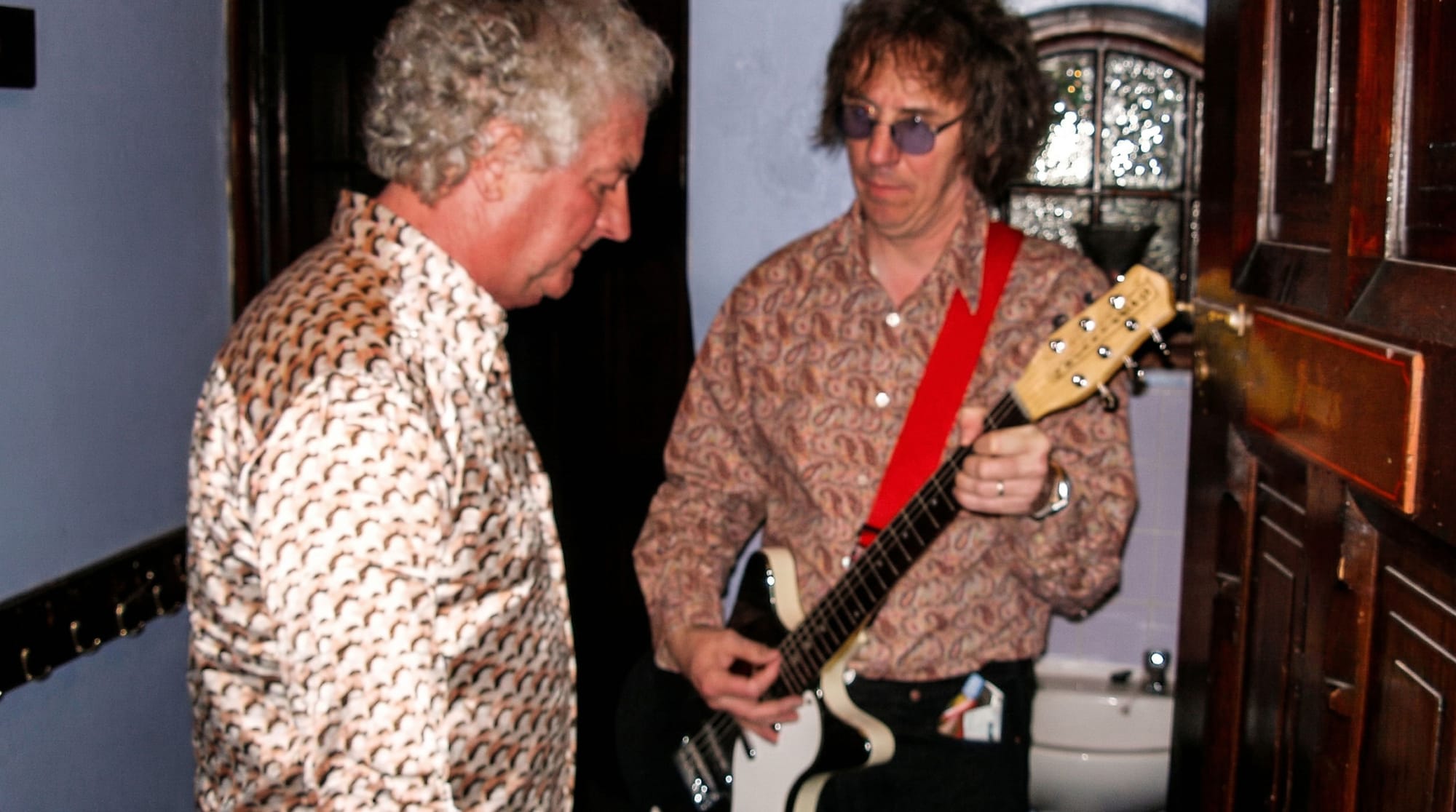
If Campbell-Lyons was Nirvana’s dreamer, Keith Smart was its long-serving keeper of the flame. Smart first joined the Nirvana fold in 1980 and never really left, lending guitar to Patrick’s projects across four decades. Years later, when Smart was assembling a psych outfit of his own, Campbell-Lyons reached into Nirvana’s 1968 album All of Us and christened the new band with one of his own song titles: St Johns Wood Affair. Both of the group’s TLAK albums stand as a living continuation of that friendship, carrying the psychedelic DNA Patrick helped invent straight into the present day.
One Last Nirvana
In 2024, Think Like A Key Music released Yesterday’s Sunshine Today: New Magical Covers of Nirvana (1967–69), a 23-track tribute gathering artists from around the world to reimagine the Campbell-Lyons / Spyropoulos songbook. The closing track is the quiet bombshell: Patrick and Alex themselves, reunited in the studio to re-record their own “St Johns Wood Affair,” retitled “Hello God.” It stands as Campbell-Lyons’ final released recording, and as the last Nirvana track the duo would ever put to tape together. A full-circle goodbye neither of them could have planned more perfectly.
Orange and Blue received a lovingly remastered reissue from TLAK in 2023, and remains available on our artist page, alongside the tribute album and the two St Johns Wood Affair records Patrick so fittingly named.
Patrick Campbell-Lyons was a man who seemed to know everyone but never quite received the recognition his talent deserved. He was there at the birth of concept rock, at the dawn of Island Records, in rooms with future legends before they were legends. His music, with its warmth and baroque beauty, endures. The rainbow still chases.
Rest in peace.