Moonrider Rejected AC/DC’s Future Bassist for Being “Too Good-Looking.” Then Everything Fell Apart.
Moonrider had Keith West, John Weider, Bruce Thomas, a £30,000 advance and BBC support. They also had the worst possible timing—and one of 1975’s most unfairly forgotten albums.

Before Moonrider hired Bruce Thomas, they auditioned another bassist: a tall, long-haired player with brand-new equipment and a model girlfriend. He played well. He looked the part. In fact, that was the problem.
Keith West vetoed him. “He’s far too good-looking,” West later remembered thinking, “and you don’t want a bass player to get the attention, do you?”
The rejected musician was Cliff Williams, who went on to spend decades anchoring AC/DC.
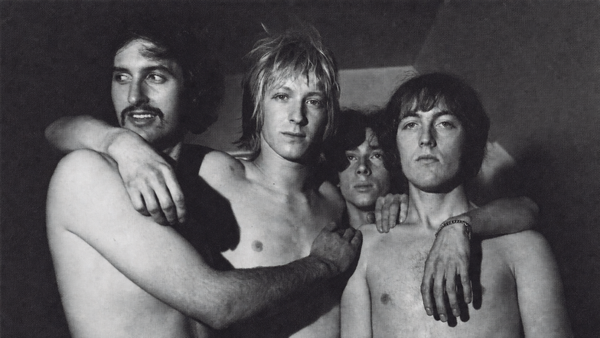
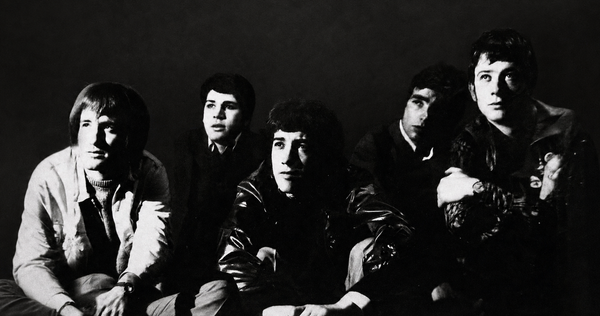
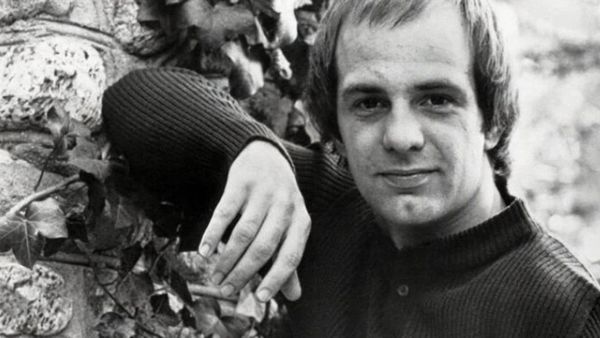
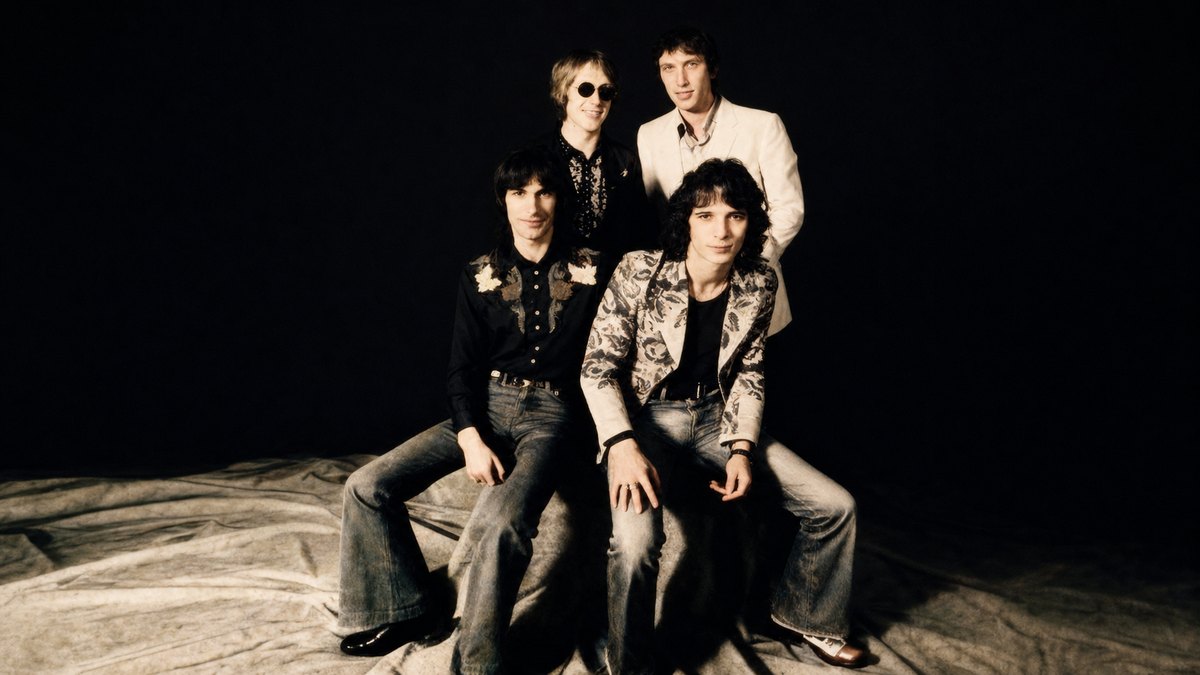
It is a wonderfully 1970s footnote, but also a neat introduction to Moonrider: a band surrounded by future-famous names and near misses, lavish promises and disappearing opportunities. Their lineup ultimately brought together West, the voice of Tomorrow and “Excerpt from a Teenage Opera”; former Animals and Family multi-instrumentalist John Weider; drummer Chico Greenwood; and Thomas, the inventive bassist who would soon join Elvis Costello & The Attractions.
They had the songs, the musicians, the advance, the BBC support and—briefly—the machinery of a serious label campaign. What they did not have was time.
From a television scolding to a new band
West and Weider first met on The Simon Dee Show in the late 1960s. West was performing “Teenage Opera”; Weider was appearing with the Animals. The musicians were caught smoking a joint in a dressing room and, in West’s telling, scolded like schoolchildren.
Years later, they reconnected during sessions for West’s Wherever My Love Goes. Weider could play almost anything with strings, and the pair shared an enthusiasm for Neil Young and the country-rock then flowing out of California. They began writing together. “Our Day’s Gonna Come,” composed at West’s house, became the song that persuaded Anchor Records to sign the new group.
Greenwood came from a 1972 Nicky James tour on which he and Weider had bonded. Thomas was an old acquaintance from West’s Lots Road days. Rather than assemble strangers through endless auditions, the founders wanted what Weider called “more of a family relationship.”
The first rehearsals were, West admitted, disastrous. Then the four found the shape.
£30,000, towering amplifiers and a producer who never arrived
Anchor was flush with MGM backing and committed an advance of roughly £30,000—a formidable sum in 1974. American management company Creative Talent Associates supplied gleaming amplifiers, enormous PA stacks, an oversized drum kit and new guitars. Moonrider looked less like a tentative project than a band being prepared for arenas.
There was even a plan for Steely Dan producer Gary Katz to oversee the album at Olympic Studios. Katz never arrived.
Anchor asked West to produce instead. He was reluctant: running the control room meant playing less guitar, and he later wished his looser style had been more present on the record. A separate experiment with Ace producer John Anthony went nowhere after Anthony played Joe Walsh’s “Rocky Mountain Way” at punishing volume and proposed making the entire album sound like it. Moonrider’s songs were subtler; forcing them into hard-rock scale would have missed the point.
West ultimately produced the LP himself, mostly at Olympic in Barnes. The sound they settled on combined West Coast harmonies with a very British melodic reserve. In a 1975 interview, Weider described it as a cross between the Eagles and Manassas.
The album that should have bought them time
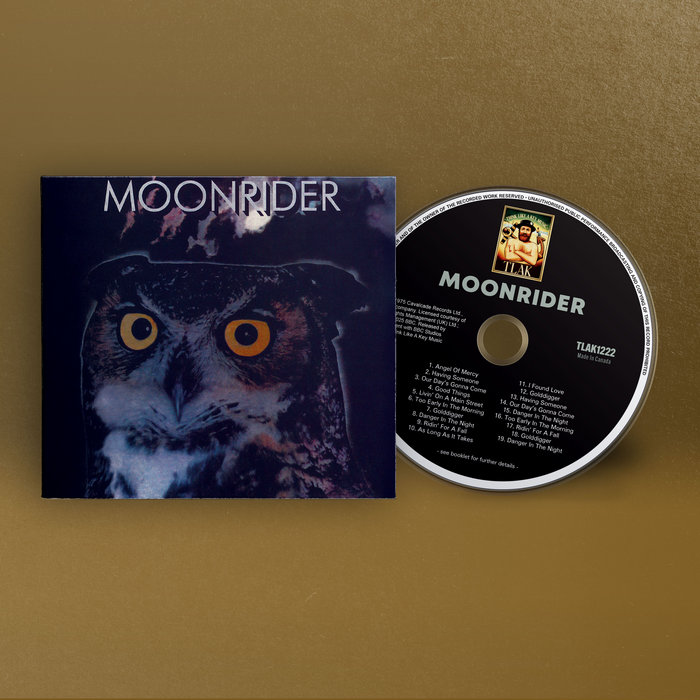
“Angel of Mercy” opens with an older West song transformed by Weider’s arrangement. “Having Someone,” rescued from an earlier publishing tangle, became the first single. “Livin’ on a Main Street” was written to showcase Thomas’s melodic bass, while “Our Day’s Gonna Come” captures West and Weider’s partnership at its most balanced.
“Danger in the Night” pushes toward a darker version of American soft rock; Weider believed in it enough to revisit the song with his later band Gulliver. “Golddigger” has the outline of a radio hit, though West felt it needed brass and more harmonies than the remaining budget allowed. The closing “As Long As It Takes,” an older Weider composition reshaped by the group, carries a distinctly Harrison-like glow.
Moonrider were not hidden away in the studio. They supported John Mayall and Chaka Khan, played universities and clubs, and performed live on the BBC’s Old Grey Whistle Test in July 1975. Annie Nightingale supported them. Bob Harris was a fan. A separate BBC In Concert session preserved the band stretching beyond the album arrangements.
Then Anchor began to collapse.
“Born to be Mild” at exactly the wrong moment
The label’s finances were increasingly dependent on Ace’s hit “How Long.” Promotion slowed. Other Anchor artists whispered that nothing was happening. The expensive equipment and ambitious management structure suddenly looked like evidence of money pouring out faster than it returned.
The first single stalled. A last attempt at airplay produced “I Found Love” with Pete Gage. West disliked the song and regarded the session as a desperate measure, but completed it out of loyalty to Thomas and Greenwood. It became the final nail for him.
There were personal and musical tensions, too. Thomas preferred the rougher energy emerging from pub rock and later dismissed Moonrider with the immortal phrase “Born to be Mild.” West remembers the timing more generously: “It was a piece of spectacular bad luck. Moonrider was a good band; it was just starting.” Then punk arrived, and their polished country-rock was suddenly treated as yesterday’s news.
By the end of 1975, West was gone. Weider stayed long enough to make his self-titled solo album for Anchor, then returned to Los Angeles. Thomas became an Attraction. Greenwood continued working with artists including Murray Head. Moonrider never made a second LP.
The BBC tapes change the ending
The 50th Anniversary Edition does not pretend the band secretly conquered its era. It makes the more interesting case that they deserved longer than they got.
Remastered by Prof. Stoned, the expanded CD adds nine tracks to the original album: the non-LP “I Found Love,” five songs from the BBC In Concert performance and both surviving Old Grey Whistle Test recordings. The television film itself has disappeared from the BBC archive, but its audio preserves a relaxed, confident band already growing beyond the studio LP.
Heard together, the 19 tracks turn a commercial dead end into a developing story. Weider’s instrumental color, Thomas’s mobile bass, Greenwood’s precision and West’s melodic instinct were becoming a group language—not simply a collection of impressive résumés.
Moonrider may have chosen the wrong future AC/DC bassist. They may have landed on the wrong label just before the wrong cultural earthquake. But the record they did make still glides: tuneful, warm, beautifully played and no longer obliged to apologize for being mild.
Moonrider — Moonrider (50th Anniversary Edition) is available now as an expanded CD from Think Like A Key Music. Explore the 19-track edition and order here.
 Bandcamp New & Notable Oct 22, 2025